


Green Innovation: Lower Carbon Emissions
The world faces an unprecedented challenge—climate change. As carbon emissions continue to rise, the need for green innovation to reduce our carbon footprint has never been more urgent.
In this blog, we will explore the concept of green innovation and its role in reducing carbon emissions. We will examine the causes and impacts of carbon emissions, innovative solutions to reduce them, real-world case studies, and the future prospects and challenges of green innovation.
Causes and Impacts of Carbon Emissions
Before diving into green innovation, it is essential to understand the causes and impacts of carbon emissions. Carbon emissions primarily arise from the burning of fossil fuels, industrial processes, transportation, and agricultural practices.
These emissions contribute to numerous environmental problems, including climate change, air pollution, ocean acidification, and ecosystem degradation. Addressing these issues has driven the development of green innovations aimed at reducing carbon emissions.
Green Innovations to Reduce Carbon Emissions
As the world grapples with the urgent need to reduce carbon emissions, green innovations have emerged as a promising solution. These innovative approaches aim to lower carbon emissions and facilitate a transition toward a more sustainable, greener future. Let’s explore some of the key green innovations playing a crucial role in reducing our carbon footprint.
Renewable Energy Technologies
Renewable energy technologies offer a clean and sustainable alternative to fossil fuels, generating power without emitting carbon. Key renewable energy technologies include:
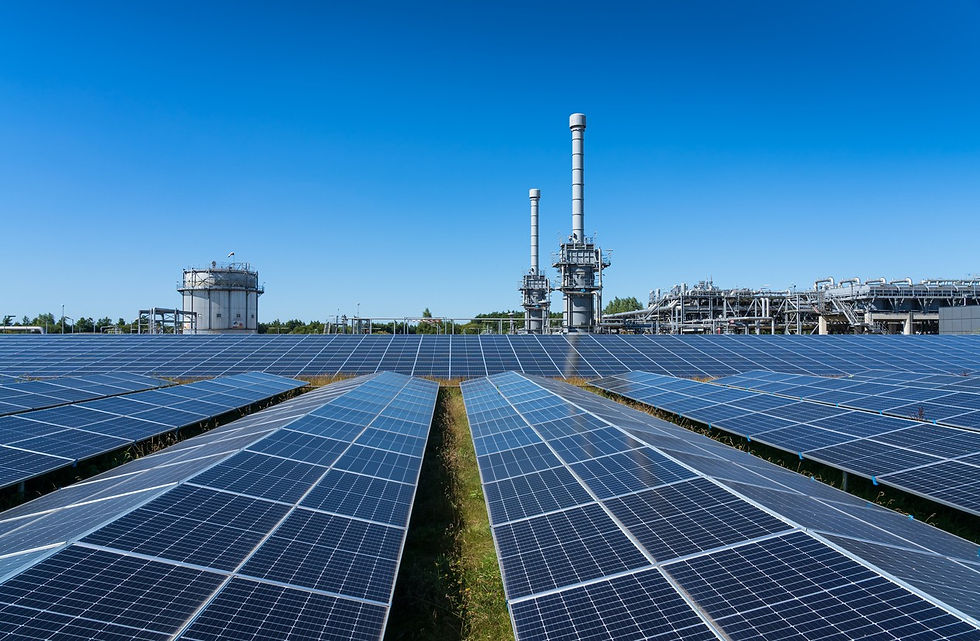
Solar Energy: Solar power harnesses sunlight through photovoltaic systems or concentrated solar power to produce electricity. Recent advancements have made solar energy more efficient and affordable.
Wind Power: Wind turbines convert wind energy into electricity. Onshore and offshore wind farms tap into consistent wind resources to provide clean electricity globally.
Hydropower: Hydropower uses flowing or falling water to generate electricity. Large-scale dams as well as smaller river-based and micro-hydropower systems contribute to renewable energy production.
Geothermal Energy: Geothermal energy extracts heat from the Earth’s subsurface for electricity generation or direct heating and cooling applications.
Bioenergy: Bioenergy converts organic materials such as agricultural waste, forestry residues, and organic waste into electricity, heat, or biofuels like ethanol and biodiesel.
Energy Efficiency Measures
Alongside the shift to renewable energy, improving energy efficiency is a vital component of green innovation. Energy efficiency measures aim to reduce energy consumption while maintaining or enhancing desired outputs. Key measures include:
Energy-Efficient Buildings: Green building design incorporates proper insulation, efficient lighting (e.g., LEDs), advanced heating and cooling systems, and smart energy management to reduce energy demand and improve overall performance.
Transportation Solutions: Green innovations in transport include promoting energy-efficient vehicles and alternative mobility. Electric vehicles (EVs) reduce carbon emissions and improve air quality. Investments in public transport infrastructure, walking, and cycling also contribute to significant emission reductions.
Carbon Capture and Storage (CCS) Technologies
While transitioning to renewable energy is essential, CCS technologies play a critical role in reducing emissions from existing industrial processes. CCS involves capturing CO₂ from power plants and industrial sources, transporting it, and storing it in deep underground geological formations or other suitable locations. Key CCS technologies include:
Carbon Capture at Power Plants: Captures CO₂ emissions before they are released into the atmosphere for storage or reuse.
Direct Air Capture: Removes CO₂ directly from ambient air using chemical processes or sorbents, reducing emissions from various sources.
Carbon Storage Methods: Safely stores captured CO₂ to prevent its release. This can involve geological injection into deep rock formations or, in some cases, deep ocean storage.
Sustainable Agriculture and Land Use Practices
Agriculture and land use contribute significantly to carbon emissions, but green innovations can mitigate these impacts. Sustainable practices aim to minimize emissions while maintaining food security and promoting biodiversity. Key approaches include:
Organic Farming: Reduces emissions by avoiding synthetic fertilizers and pesticides, supports soil carbon sequestration, and promotes healthy ecosystems.
Precision Agriculture: Uses GPS, sensors, and drones to optimize farming practices, reduce inputs, lower emissions, and improve resource efficiency.
Forest Conservation and Reforestation: Preserving existing forests and planting new trees serve as carbon sinks, removing CO₂ from the atmosphere and mitigating climate change.
By integrating renewable energy, implementing energy efficiency measures, adopting carbon capture and storage, and promoting sustainable agriculture and land use, we can take significant steps toward a greener, more sustainable future.
Real-World Case Studies of Successful Green Innovation
To truly understand the impact of green innovation on carbon reduction, real-world case studies are invaluable. These examples highlight successful initiatives and provide insights into practical applications. Notable examples include:
1. Copenhagen, Denmark – Sustainable Urban PlanningCopenhagen is renowned for its commitment to sustainable city planning and carbon reduction. Its holistic approach includes renewable energy integration, efficient public transport, and green building standards.
Renewable Energy Integration: Significant electricity from wind power, including offshore wind farms in the Baltic Sea.
Efficient Public Transport: Comprehensive bus, metro, and bicycle infrastructure reduces private car use.
Green Building Standards: Sustainable designs, energy-efficient lighting, green roofs, and solar panels reduce building emissions.
2. Iceland – Geothermal Energy UseIceland leverages abundant geothermal resources to generate electricity and heat buildings sustainably.
Geothermal Power Plants: Reduce reliance on fossil fuels and contribute significantly to national electricity supply.
Geothermal Heating Systems: Efficient heating for residential, commercial, and industrial buildings.
Carbon Neutrality Achievements: Extensive use of geothermal and hydropower positions Iceland as a global leader in carbon neutrality.
3. California, USA – Electric Vehicle RevolutionCalifornia has become a hub for EV adoption due to progressive environmental policies.
Government Incentives and Policies: Tax credits, subsidies, and infrastructure initiatives promote EV use.
Expanded Charging Infrastructure: Public charging stations across residential, workplace, and commercial areas alleviate range anxiety.
Emission Reduction Goals: Ambitious targets aim for carbon neutrality by 2045, phasing out internal combustion engines and advancing sustainable transport.
These case studies illustrate the power of green innovation to drive real-world solutions and inspire a sustainable future.
Future Prospects and Challenges of Green Innovation
Looking ahead, green innovation holds immense potential to address global carbon reduction challenges, but key expectations and obstacles must be considered.
Technology and Research Advances
Battery Storage and Grid Integration: Advanced energy storage enhances renewable energy utilization and grid stability.
Carbon Capture Efficiency Improvements: Ongoing research focuses on improving capture processes, discovering new materials, and reducing energy requirements to make CCS cost-effective and scalable.
Policy and Financial Support
International Agreements and Targets: Frameworks like the Paris Agreement foster global cooperation and ambitious emission reduction commitments.
Investment and Funding Opportunities: Public and private sector financing, grants, and subsidies accelerate green technology development and deployment.
Public Awareness and Advocacy
Education and Outreach Programs: Inform the public on reducing carbon emissions and the benefits of green innovation.
Media and Influencers: Amplify sustainability messages and motivate societal adoption of green initiatives.
Overcoming Barriers and Resistance
Political and Economic Challenges: Policy changes and investments may face stakeholder resistance. Collaboration among governments, businesses, and civil society is crucial.
Technological Limitations and Costs: Some green innovations remain costly or technologically constrained; research and development support is vital.
By leveraging technological advancements, implementing supportive policies, raising public awareness, and addressing barriers, green innovation can be widely adopted globally. Collective action from individuals, businesses, governments, and organizations is essential to shape a greener, more sustainable future for generations to come.
Conclusion
Green innovation is a powerful tool in the global fight against climate change and reducing carbon emissions. Implementing renewable energy technologies, energy efficiency measures, carbon capture and storage, and sustainable agriculture and land use practices can drive meaningful progress toward a greener future.
Through this blog, we explored the urgency of finding innovative solutions, the causes and impacts of carbon emissions, and the potential of various green innovations, including solar energy, wind power, energy-efficient buildings, electric vehicles, and carbon capture technologies.
Real-world case studies—such as Copenhagen, Iceland, and California—demonstrate successful application of green innovation and its impact on reducing carbon emissions.
Looking forward, technological advancements, policy and financial support, public awareness, and advocacy will all play vital roles in scaling green innovation. Overcoming political, economic, and technological challenges will be critical to ensure widespread adoption.
In conclusion, green innovation paves the way to a sustainable, low-carbon future. By embracing these solutions and taking collective action, we can reduce carbon emissions, mitigate the effects of climate change, and protect our planet for future generations. Let’s seize this opportunity to build a greener, cleaner, and more sustainable world.
Comments